Posts

Showing posts from March, 2025

Navratri - 2025

Image
Navratri is special for me. Rather, Maa Durga is special for me. She has inspired my entire life from childhood until now. My relationship with Vaishnodevi and Maa Durga is both philosophical, Mythological and deep down personal. She has intrigued my curious mind to understand her magic more vividly.  From the singularity of the Big Bang to the endless dance of galaxies, the universe is an expression of energy—Shakti, the primordial force that animates existence. In the timeless cycle of creation, preservation and dissolution, Shakti emerges as the dynamic potency of the Supreme, the kinetic manifestation of Shiva’s infinite potential. Just as a river's flow is inseparable from its source, Prakriti—Nature—flows from the boundless expanse of the Divine, shaping the cosmos and maintaining the delicate balance of life. Navratri: A Time for Celebration and Inner Reflection Navratri is more than just a festival; it is a time when families come together in both celebr...

Faith – The Invisible Thread That Binds Humanity

Image
Faith – an ancient, intangible force – has traveled with Homo sapiens across time. From the flickering torchlight of prehistoric caves to the glowing screens of the digital age, humans have consistently placed their trust in the unseen. Despite scientific advancements and the rise of rational thought, faith remains a stubborn companion in our collective journey. Why? What is it about faith that keeps us tethered to the esoteric, to gods and to things we cannot empirically prove? Let us explore this enduring mystery. 1. The Evolutionary Roots of Faith To understand faith, we must first look at our evolutionary past. Early humans faced a world of unpredictable chaos – wild animals, natural disasters, disease and death. In such an uncertain environment, belief in higher powers provided a framework for understanding the unknown. Faith gave early humans a sense of control in a world that often seemed indifferent to their survival. From Sun Gods to Moon Gods to Water Gods, man ha...

Chapter 13 : Bhagwad Gita

Image
In Chapter 13 of the Bhagavad Gita, Lord Krishna reveals profound metaphysical insights about the relationship between the physical world, the individual soul and the ultimate consciousness .  This chapter is the Kshetra-Kshetragya Vibhaga Yoga—the Yoga of Distinction between the Field (Kshetra) and the Knower of the Field (Kshetragya). 1. Kshetra (The Field) and Kshetragya (The Knower of the Field ) Kshetra (The Field). Krishna defines the body—both physical and mental—as the Kshetra, or the "field of activity." This includes everything that forms human experience: The five physical elements (earth, water, fire, air, ether) The senses (sight, hearing, touch, taste, smell) The mind, intellect (buddhi) and ego (ahankara) Desires, aversions, pleasure, pain and consciousness itself The Kshetra is the playground where all experiences and actions (karma) take place. It is temporary and subject to change. Kshetragya (The Knower of the Field).  The conscious observer w...

Homecoming

Image
After months in the vast emptiness of space, Sunita Williams and her fellow astronauts have finally returned to Earth—our blue, breathing, life-giving home. Their journey beyond the planet’s embrace was a triumph of human ingenuity but their return carries a deeper message: the irreplaceable value of Earth, the longing for connection and the profound insights that come from seeing our world from above. Earth: The Oasis in the Void From space, Earth is a shimmering orb of blues and greens, floating in the infinite blackness. It is a stark contrast—life against lifelessness, warmth against the cold abyss. No matter how far we advance technologically, no other planet in our solar system, or even beyond, offers what Earth does—air to breathe, water to drink, a nurturing ecosystem and a sense of belonging. Astronauts have often described an overwhelming feeling of awe when looking at Earth from above, realizing how fragile yet magnificent our world is. We take it for granted, bu...

Nature of Self and Ego

Image
The Bhagavad Gita offers profound insights into the nature of the self, the illusion of the ego and the path to realising our true essence. Let's break down the key points and connect them with the wisdom of the Gita. 1. Your Essential Nature: Unlimited Awareness The Gita repeatedly emphasises that your true nature is eternal, unchanging and beyond the physical body and mind. This essence is pure consciousness (awareness) that is neither born nor does it die. "The soul is neither born and nor does it die. It is unborn, eternal, ever-existing and primeval. It is not slain when the body is slain." (Bhagavad Gita 2:20) Here, Krishna describes the Atman—the true self—which is beyond all worldly experiences and remains unaffected by physical death or mental turmoil. 2. What is the Ego or Separate Self? The ego arises from identifying with the body and mind—the limited aspects of our existence. It is the mistaken belief that "I am this body, these thoughts and ...

Rupert - On Ego

Your essential nature is ever-present and unlimited awareness.  So, what is the ego or separate self, and how does it arise? The ego or separate self could be defined as the identification of our self awareness, with the content of experience, or the mixture of awareness with the limited qualities of the mind and body. Our awareness seems to acquire the limitations of the mind, which in this context I refer to mainly as thoughts, perceptions and feelings. Let us now explore how awareness seems to be defined by, contained within and limited to the body. In speaking of the body in this way, I refer to it in the conventional sense, as a physical object. This of course implies an inherent dualism between the mind and body which is not intended, and which breaks down upon further scrutiny, but it is the way that most people understand and feel the body and is, therefore, a good starting point for how the belief in separation arises. To understand how the unlimited presence of awareness ...

Wabi Sabi, Ichigo-Ichie, Tao, and the Impermanence in Vedic Thought: A Comparative Philosophical Exploration

Image
In a world increasingly obsessed with permanence and control , certain philosophies and aesthetics have emerged that celebrate the transient, the imperfect and the fleeting nature of existence. Among these, Wabi Sabi and Ichigo-Ichie , central tenets of Japanese culture, offer profound insights into the nature of life, relationships and the universe. These concepts, deeply connected with ideas of impermanence and the acceptance of change , echo similar ideas found in Taoist philosophy and Vedic literature. This essay explores these two Japanese ideas and compares them with Taoism and the impermanence as understood in the Vedic tradition. Wabi Sabi: The Beauty of Imperfection At its core, Wabi Sabi is the Japanese aesthetic and worldview that finds beauty in imperfection, transience, and the natural process of decay. It celebrates simplicity, the natural wear of objects and the passage of time. Derived from Zen Buddhism, Wabi Sabi embraces the idea that things grow be...

King Ambarisha’s Prayer: A Life of Complete Surrender

Image
In a world where power, wealth and status often define succes s, there once lived a king who sought none of these for himself. King Ambarisha, though a mighty ruler, devoted his life to something far greater—unshakable faith and service to Lord Vishnu. His story, as told in the Śrīmad Bhāgavatam, is a testament to the power of surrender and single-minded devotion (Ekānta Bhakti). His famous prayer reflects this deep surrender: "sa vai manaḥ kṛṣṇa-padāravindayoḥ vacāṁsi vaikuṇṭha-guṇānuvarṇane karau harer mandira-mārjanādiṣu śrutiṁ cakārācyuta-sat-kathodaye" Meaning : "King Ambarisha engaged his mind in meditating upon the lotus feet of Krishna, his words in describing the glories of the Lord, his hands in cleansing the Lord’s temple, his ears in hearing about the Lord’s activities, and his eyes in seeing the Lord’s deity form." The King Who Had Everything—And Wanted Nothing Unlike other kings who indulged in luxury and conquest, Ambarisha used his wealt...

The Pāñcarātrika Regulations

Image
The Pāñcarātrika regulations, practiced by many Vaiṣṇavas, are based on the Pāñcarātra Āgamas , a group of scriptures that provide guidelines on deity worship ( arcana ), spiritual discipline and devotion to Lord Vishnu (Narayana) and His avatars, especially Krishna. These scriptures are believed to be divinely revealed by Lord Narayana Himself and are widely followed by various Vaishnava traditions, including the Sri Vaishnavas, Gaudiya Vaishnavas and Madhvas. Key Aspects of Pāñcarātrika Regulations: 1. Deity Worship ( Arcana ) One of the central elements of Pāñcarātra is arcana-mārga , the systematic worship of Vishnu in temples and homes. It includes: Establishing and consecrating a deity ( mūrti or vigraha ) Daily rituals like bathing ( snāna ), dressing ( alaṅkāra ) and offering food ( naivedya ) Regular ārati (waving of lamps) and recitation of Vishnu's names Seasonal and festival observances 2. The Fivefold Deity Manifestation ( Pañcopāsanā ) Accor...

Śārīraka Bhāṣya by Adi Shankaracharya

Image
Śārīraka Bhāṣya is Adi Shankaracharya's profound commentary on the Brahma Sutras of Vyasa. It is one of the central texts of Advaita Vedanta and systematically expounds the philosophy of non-duality (Advaita). Here’s the essence of this work: 1. The Core Teaching: Brahman is the Only Reality Shankaracharya asserts that Brahman (the Absolute, Pure Consciousness) is the only truth and the world is ultimately an illusion (Māyā). The individual self (Jīva) is not different from Brahman but appears separate due to ignorance (Avidyā). 2. Refutation of Dualism and Pluralism He refutes the dualistic (Dvaita) and qualified non-dualistic (Vishishtadvaita) views, arguing that any apparent distinctions between God, soul and the world are due to ignorance. When this ignorance is removed, what remains is pure, undivided consciousness. 3. Role of Knowledge (Jnana) vs. Rituals (Karma) Shankaracharya strongly emphasises that liberation (Moksha) is attained through self-knowledge (Jnana)...

Transcending the Three Modes of Nature – The Bhagavad Gita’s Teachings

Image
Krishna explains that everything in the material world is influenced by the three Gunas—Sattva (goodness), Rajas (passion) and Tamas (ignorance). While Sattva is the highest of the three, even it binds us to material existence. True liberation (Moksha) comes when we rise above the Gunas and reach a state of spiritual transcendence (Guna-atīta). 1. The Nature of Transcendence (Gita 14.22-25) Krishna describes the qualities of one who has transcended the Gunas: Unattached to pleasure and pain Unaffected by honor and dishonor Detached from praise and criticism Equanimous in success and failure Treats all beings equally Such a person remains an observer of the Gunas rather than being controlled by them. 2. How to Transcend the Gunas – Practical Teachings from the Gita a) Developing Guna Awareness (14.19) When a wise person sees that all activities are merely the interactions of the modes of nature and understands that the self is beyond them, he attains My divine nature. Step ...

The 24 Elements of the Material World in Sankhya Philosophy and the Bhagavad Gita

Image
The Bhagavad Gita and Sankhya philosophy describe the 24 fundamental elements (tattvas) that make up the material world (Prakriti). These elements represent everything that exists in the material realm, including both gross and subtle aspects of creation. The 24 Elements of Material Existence 1. The Five Gross Elements (Pancha Mahabhutas) – The Physical World These are the building blocks of the material universe: 1. Earth (Bhūmi) – Solidity, stability (bones, muscles, physical structures). 2. Water (Āpaḥ) – Fluidity, cohesion (bodily fluids, rivers, oceans). 3. Fire (Anala/Tejas) – Heat, energy (sunlight, digestion, transformation). 4. Air (Vāyu) – Motion, life force (breath, wind, movement). 5. Space (Ākāsha) – Sound, vastness (ether, sky, inner stillness). These five elements constitute everything tangible and perceivable in the universe. 2. The Five Sense Perceptions (Tanmatras) – Subtle Energy These represent the fundamental qualities experienced through the senses...

The Chāndogya Upaniṣad (5.3–5.10) - The doctrine of the "Pañcāgni Vidyā"

The Chāndogya Upaniṣad (5.3–5.10) describes the doctrine of the "Pañcāgni Vidyā"—the knowledge of the five fires (pañcāgni). This is a Vedic cosmological and metaphysical  teaching that explains the cycle of life, death and rebirth in terms of five symbolic offerings made in five sacrificial fires. The Five Fires and Five Offerings In this doctrine, the entire cosmic process is likened to a yajña (sacrifice) in which offerings are made into five successive fires: 1. First Fire – Heaven (Svarga-loka) Offering: Faith (Śraddhā) Result: Becomes Soma (nectar of immortality) Meaning: The meritorious deeds of beings rise to the heavens and transform into the celestial nectar. 2. Second Fire – Rain God (Parjanya) Offering: Soma (nectar) Result: Becomes rain Meaning: The accumulated karmic merits from previous births descend back to earth in the form of rain. 3. Third Fire – Earth (Pṛthivī) Offering: Rain Result: Becomes food Meaning: The rain nourishes crops, sustaining life on earth...

Who is Krishna?

Image
Over 5,000 years ago, in the prison of Mathura, a child was born who would change the course of human history. Unlike any other figure before or after him, Krishna openly declared, “ I am God ”—not from pride, but from the deepest compassion to guide humanity. His life is not just a story but a message in action, a blueprint for living fully and freely. From Laddoo Gopal to Jagat Guru: A Life of Infinite Expressions Krishna’s life was not confined to one role or identity. In him, we find the perfect balance of divinity and humanity—playful, wise, fearless and compassionate. The Playful Child (Laddoo Gopal & Makhan Chor): In his mischievous childhood, Krishna reminds us that life begins with joy, curiosity and the simple pleasure of being present. His love for butter is more than a childhood prank—it’s a symbol of relishing the sweetness of life. The Protector (Slayer of Kansa & Govardhan Lifter): As a child, he defeated demonic forces that thre...

The Neural Pathways to Creative Living

Image
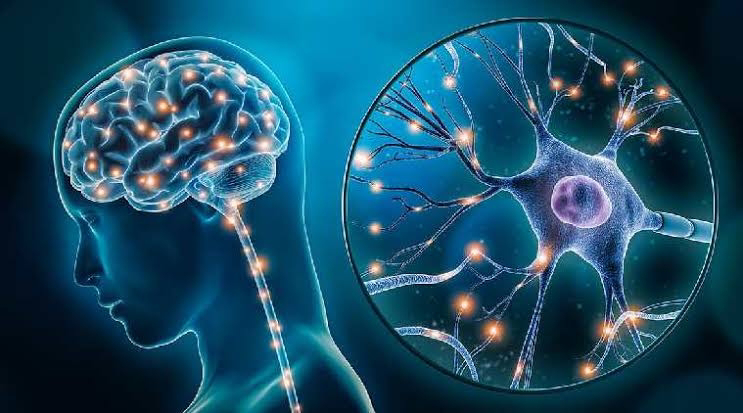
How Neuroplasticity helped me manage my life post High Altitude Cerebral Oedema(HACO) at 12000 feet in Leh Ladhak.  It took me years of practice and sustained effort to put my act together. I had lost my Motor skills, memory function, cognitive skills, my hands would shake on holding a pen. The choice was to become a vegetable or fight. I chose the latter. I learnt about Neuroplasticity and did a deep dive. Today, I run, draw, paint, sketch, write calligraphy, sing, dance, cycle and click pictures. Here's how it happens... Neuroplasticity , the brain’s ability to reorganize itself by forming new neural connections—plays a crucial role in fostering and enhancing creativity. Here’s how: 1. Forming New Neural Pathways When you engage in creative activities (like painting, writing, or problem-solving), your brain forms new synaptic connections. This rewiring allows you to think in novel ways and approach problems from different angles. The more you engage in creative task...

Holi Hai Bhai Holi Hai

Image
Holi Hai! – A Riot of Colours, Chaos If there’s one festival that turns even the most serious among us into playful pranksters, it’s Holi! This grand carnival of colours, laughter and joyous abandon has an undeniable charm—like life itself decided to throw a party and invited the whole neighborhood. From the vibrant gulal that hangs in the air like a rainbow exploded to the sweet indulgence of gujiyas melting in your mouth, Holi is a heady mix of color, chaos and community. When Colours Were Life and Pichkaris Were a Treasure Growing up in South Extension, Holi was nothing short of an annual adventure. Across the street from our house stood a humble cycle repair shop—my lifeline before every Holi. My trusty pichkari  would inevitably break down from overuse (or perhaps overenthusiasm), but the cycle repair guy was nothing short of a magician. With a few swift moves, a washer here, a twist there and—voilà—the pichkari would spring back to life, ready to so...